
Fuel Your Fire: The Ultimate Flexible Diet Plan for Busy Hustlers
A diet plan for busy hustlers focuses on flexible, high-protein nutrition, smart complex carbs, and hydration rather than strict restriction. By prioritizing lean proteins, fibrous vegetables, and prepared whole foods, you can maintain steady energy, fuel muscle recovery, and avoid burnout without spending hours prepping meals or following rigid, unrealistic schedules.
Why Most Rigid Diet Plans Fail
Most traditional meal plans operate on an “all-or-nothing” mentality. They demand perfection from day one. However, life is unpredictable. Between late-night work meetings, family obligations, and just plain exhaustion, strict restrictions usually lead to burnout.
Instead of forcing yourself into a dietary straightjacket, the key to long-term success is flexibility.
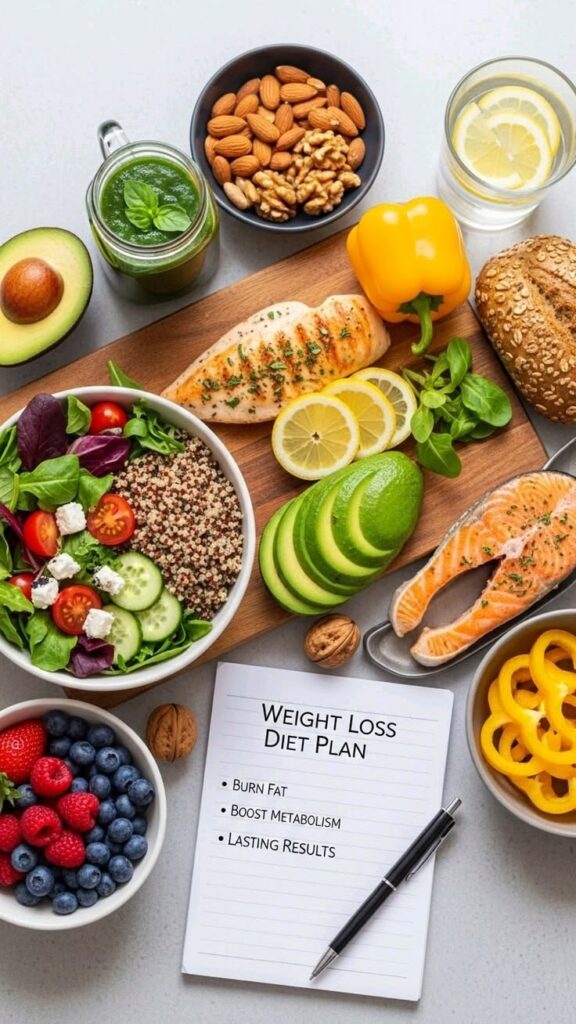
The Three Pillars of a Sustainable Diet Plan
To build a body that performs as hard as you hustle, your daily nutrition needs to focus on three core pillars:
Prioritize Protein: This is non-negotiable for muscle recovery and keeping hunger pangs at bay. Aim for a lean source with every single meal.
Smart Carbs over No Carbs: Carbohydrates are your brain and muscles’ primary energy source. Therefore, swapping simple sugars for complex carbs like oats, sweet potatoes, and brown rice will keep your energy stable all day long.
Hydration is Key: Often, when you think you’re starving, you are actually just dehydrated. Keep a water bottle glued to your side.
Building Your FitHustle Plate. Diet Plan Tips:
You don’t need a culinary degree to eat healthy. In fact, you can simplify your main meals by using this quick visual guide:
| Plate Component | Ideal Portion | Best Sources |
| Lean Protein | 1/2 of the plate | Chicken, tofu, fish, eggs, lean beef |
| Fibrous Veggies | 1/2 of the plate | Spinach, broccoli, peppers, zucchini |
| Complex Carbs | 1/4 of the plate | Quinoa, sweet potato, brown rice |
| Healthy Fats | A thumb-sized portion | Avocado, olive oil, almonds, seeds |
🥗 Frequently Asked Questions: Diet Plans & Nutrition
Q1: How can a busy professional stick to a diet plan with a tight schedule?
Stick to a simple “batch & assembly” strategy. Cook 2–3 versatile protein sources (like grilled chicken, tofu, or hard-boiled eggs) and complex carbs on Sunday. During the week, mix and match them with pre-washed greens and healthy fats. This cuts prep time to under 5 minutes per meal while maintaining flexibility.
Q2: Should I meal prep for the whole week or cook daily?
For busy schedules, partial meal prep works best. Instead of packing complete rigid meals for 7 days, prep components—like baking a batch of sweet potatoes or roasting veggies. Daily cooking then becomes a quick 5-minute assembly process, keeping your food fresh and preventing food fatigue.
Q3: How can I maintain a healthy diet plan while dining out or traveling?
Use the “Protein First” rule. When ordering at restaurants, choose meals built around a lean protein (grilled, baked, or steamed) and double up on vegetable side dishes. Ask for sauces and dressings on the side, and swap heavy sides like fries for salad or steamed rice.
Q4: Is intermittent fasting a good diet plan for busy hustlers?
Yes, intermittent fasting (like a 16:8 schedule) can simplify your routine by eliminating the need to plan or prepare breakfast. It helps manage caloric intake without complex tracking. However, ensure your eating window still contains adequate protein and nutrient-dense whole foods to maintain energy levels.
Q5: What are the best high-protein snacks for on-the-go energy?
The best portable snacks require zero cooking and offer a mix of protein and healthy fats to stabilize blood sugar. Great options include:
Greek yogurt or cottage cheese cups
Unsalted mixed nuts and pumpkin seeds
Beef or turkey jerky
Hard-boiled eggs
Ready-to-drink protein shakes
Q6: How do I stop late-night stress eating after long workdays?
Late-night cravings usually stem from under-eating protein and calories earlier in the day. Ensure your lunch and dinner contain at least 25–30 grams of protein and plenty of fiber. If you’re genuinely hungry late at night, opt for slow-digesting snacks like casein protein, Greek yogurt, or a handful of almonds.
Q7: Do I need to count calories or weigh food to see results?
No. While calorie tracking works, visual portion control is much more sustainable for busy lifestyles. Use your hand as a guide: one palm-sized portion of protein, one fist of vegetables, one cupped hand of complex carbs, and one thumb-sized portion of healthy fats per main meal.
How to Get Started Today
Ultimately, the best diet plan is the one you can actually follow for more than two weeks. You don’t have to overhaul your entire kitchen overnight. Instead, pick one habit to change today—like adding a vegetable to your dinner or swapping a sugary soda for water.
Are you ready to stop dieting and start fueling? Head over to the FitHustle Zone community page to grab our free weekly meal prep template and kickstart your journey. Check out our Instagram page.
What is the biggest challenge you face when trying to stick to a healthy eating routine?